Senior Self-Defense: Essential Techniques for Personal Safety
MN
Understanding the Importance of Self-Defense for Seniors
As individuals age, they may become more vulnerable to certain risks, which makes self-defense an essential consideration for personal safety. Empowering seniors with the skills to protect themselves can enhance their confidence and independence. It’s crucial to understand that self-defense is not just about physical strength but also about awareness and prevention.

Building Awareness and Avoidance Skills
The first step in self-defense is developing keen awareness of one's surroundings. Seniors should practice being observant in various environments, whether at home, in a park, or in a crowded area. Recognizing potential threats early can prevent dangerous situations from escalating.
Avoidance is another key element. Simple actions like choosing well-lit paths, staying in groups, and avoiding isolated areas can significantly reduce risks. Trusting one's instincts and leaving a situation that feels uncomfortable is also vital.
Basic Physical Techniques
While physical strength may diminish with age, there are several effective self-defense techniques that rely on leverage and strategy rather than brute force. Techniques such as the heel-palm strike, elbow strikes, and knee strikes can be used effectively by seniors to defend themselves.
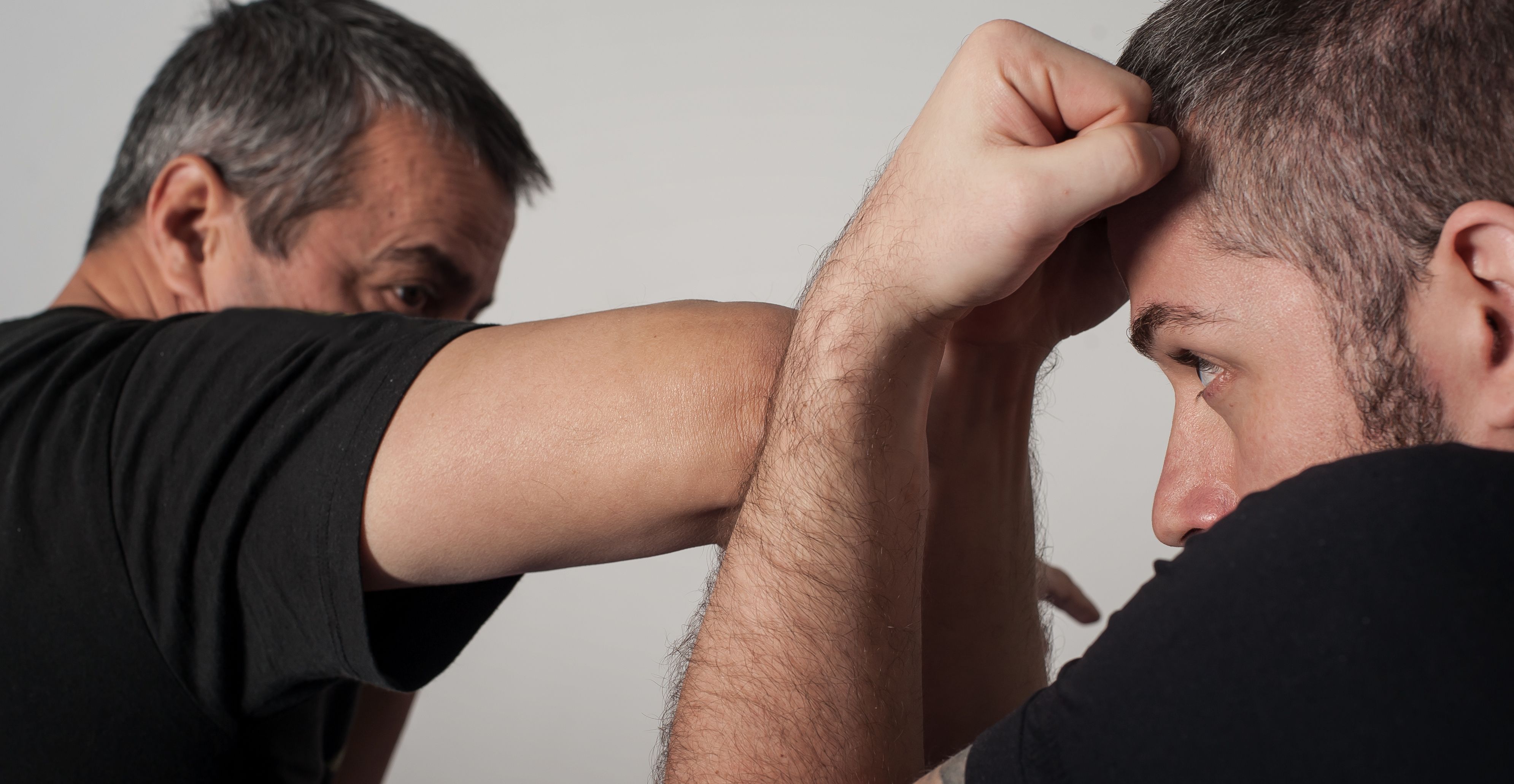
It’s important for seniors to practice these techniques regularly to build muscle memory. Participating in self-defense classes specifically designed for older adults can provide both training and a supportive community.
Utilizing Everyday Objects
Everyday objects can be transformed into self-defense tools. Items like canes, keys, and even pens can be used strategically to fend off attackers. Learning how to use these items effectively can provide seniors with an added layer of protection.
Seniors should also consider carrying a personal alarm or whistle to draw attention in an emergency. These tools can be a simple yet effective way to alert others and deter potential threats.
Emotional and Mental Preparedness
Beyond physical techniques, emotional and mental preparedness is crucial for effective self-defense. Staying calm and thinking clearly during a confrontation can make a significant difference in the outcome. Training can help seniors develop these skills, allowing them to respond rather than react.
Visualization and role-playing scenarios can be beneficial in preparing for potential threats. Practicing these strategies can increase confidence and readiness.
Conclusion
Self-defense is a valuable skill set for seniors, promoting both safety and confidence. By focusing on awareness, physical techniques, and mental preparedness, seniors can protect themselves and maintain their independence. It’s never too late to start learning and empowering oneself through self-defense.