
Gas Station Safety Tips: Pumping Gas Responsibly
MN
Understanding Gas Station Safety
Pumping gas is a routine task for many drivers, yet it comes with its own set of risks. Understanding and implementing safety measures can prevent accidents and ensure a smooth refueling experience. Whether you're a seasoned driver or a new one, it's critical to be aware of the key safety practices at the pump.
Starting with Basic Precautions
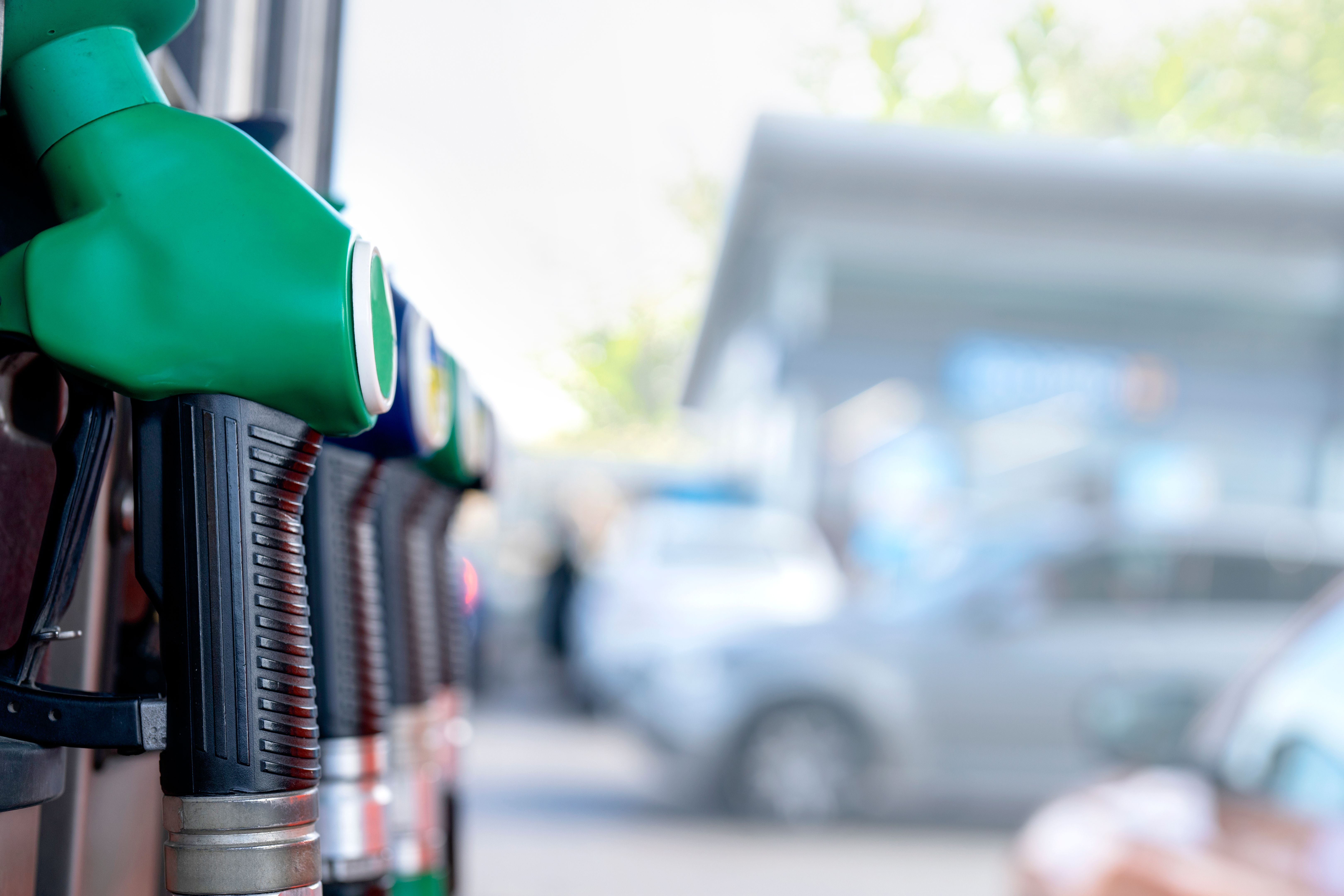
Before you even step out of your vehicle, make sure to turn off your engine. Keeping the engine running while refueling can pose a significant fire hazard. Additionally, avoid smoking or using any flammable materials near the gas pump. These simple precautions can go a long way in preventing accidents.
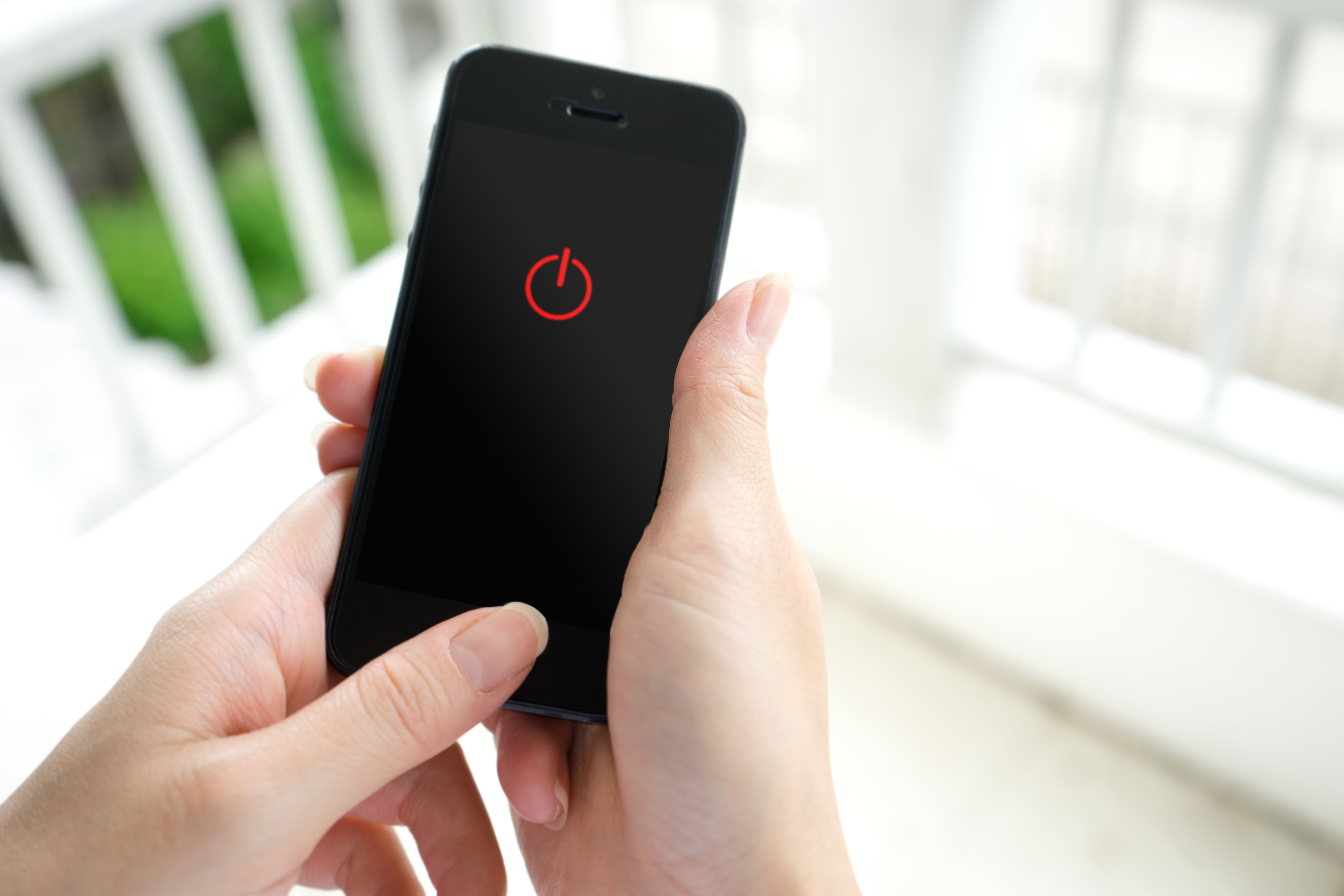
Another basic rule is to avoid using your cellphone while pumping gas. Mobile phones can potentially ignite fumes due to static electricity. Make it a habit to keep your phone inside the car during this process.
Handling the Pump Safely
When you're ready to pump gas, make sure to discharge any static electricity by touching a metal part of your car away from the nozzle. This step is crucial to prevent any sparks that could ignite gas fumes.
It's important to follow the instructions provided at the pump. Insert the nozzle fully and securely into the tank to prevent spills. If you notice any leaks or spills, alert the station attendant immediately. Using the pump correctly ensures that you and those around you stay safe.
Staying Vigilant and Aware
Always stay by your vehicle while refueling. Leaving the pump unattended can lead to overflows or other hazardous situations. Being present ensures that you can quickly address any issues that may arise.
Be mindful of your surroundings. Watch out for other vehicles and pedestrians, especially if the station is busy. Keeping an eye on your environment helps prevent accidents and keeps everyone safe.
After Refueling
Once you're done refueling, replace the nozzle carefully and ensure that the gas cap is securely tightened. This prevents fuel evaporation, which can be both a safety hazard and an environmental concern.
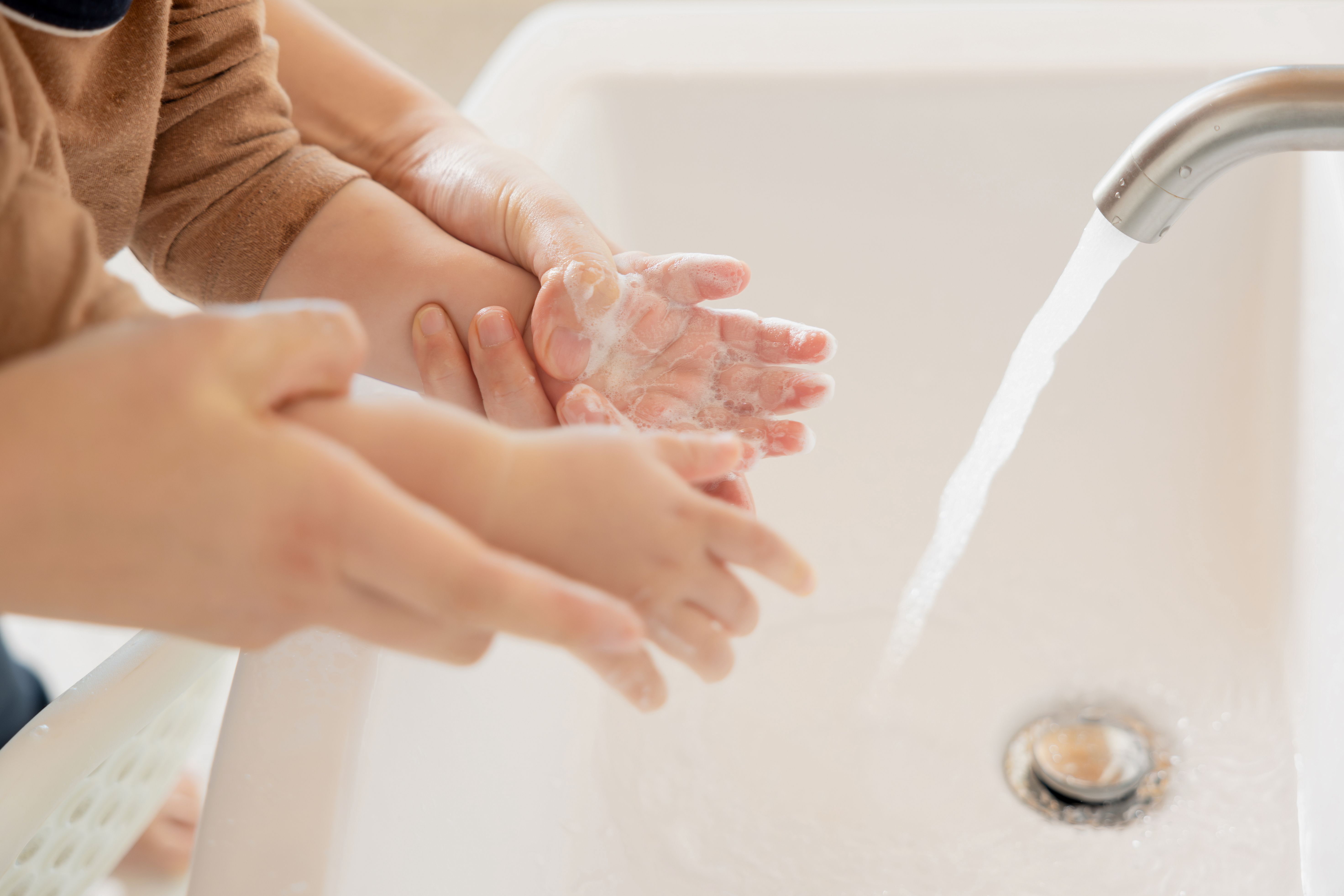
Finally, wash your hands after handling the pump. Gasoline can leave residues that are harmful if ingested or if they come into contact with your eyes. Practicing good hygiene is an often-overlooked but essential safety step.
Conclusion
By following these gas station safety tips, you can contribute to a safer environment for yourself and those around you. Always remember that a few extra precautions can make a significant difference. Stay informed, stay vigilant