From Kids to Seniors: Tailoring Self-Defense Classes for Every Age Group
MN
Introduction to Self-Defense for All Ages
Self-defense is a valuable skill that transcends age boundaries, offering empowerment and safety to everyone from young children to seniors. Tailoring self-defense classes to suit different age groups ensures that individuals receive age-appropriate training that meets their specific needs and capabilities. This approach not only enhances physical safety but also boosts confidence and mental resilience.
Self-Defense for Children
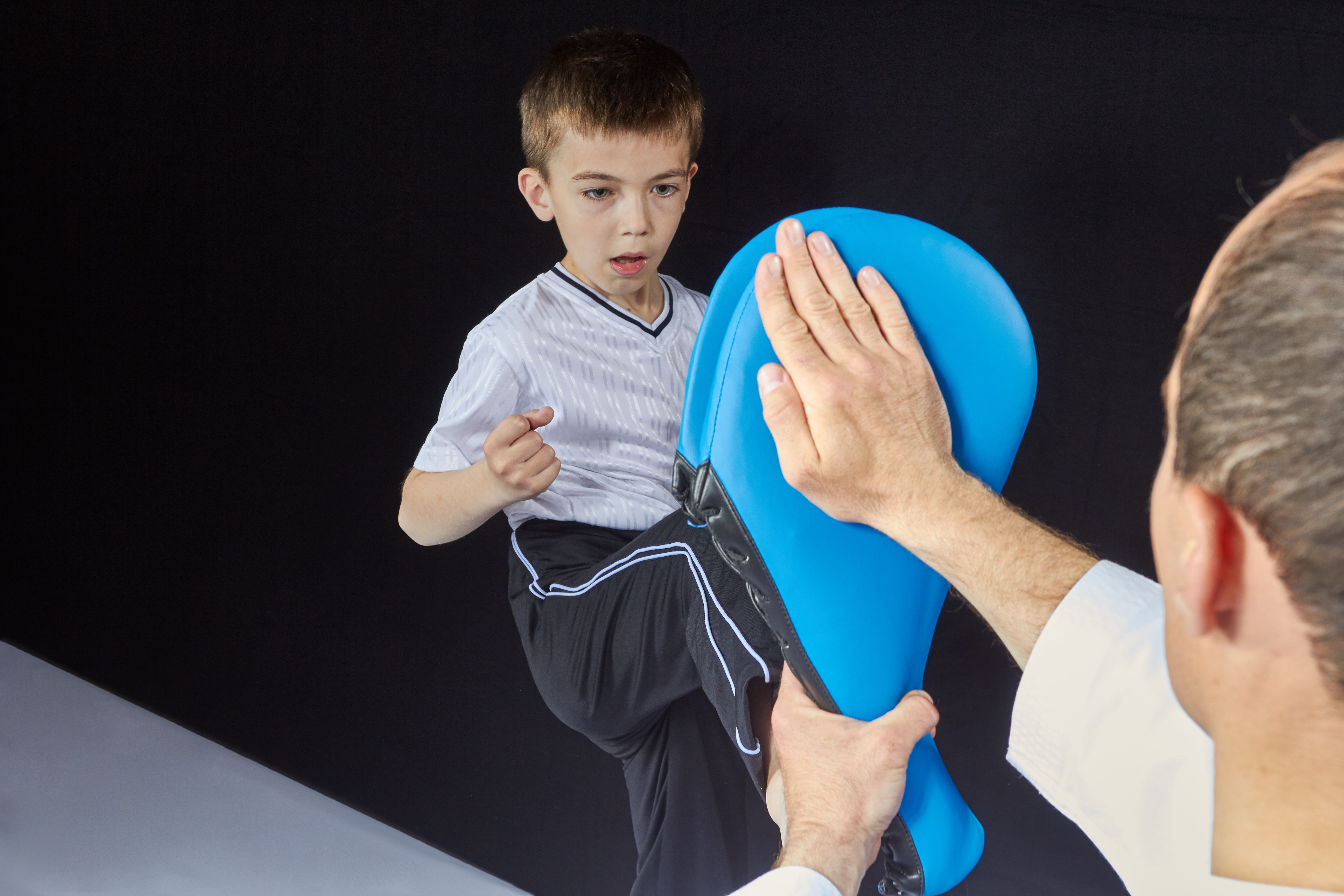
For children, self-defense classes focus on basic techniques and awareness skills. The primary goal is to teach kids how to recognize dangerous situations and react calmly. Classes often incorporate games and activities to make learning fun and engaging, ensuring that children retain the information effectively.
Key components of children’s self-defense classes include:
- Stranger Danger Awareness: Teaching children how to identify and avoid potential threats.
- Basic Escape Techniques: Simple moves to break free from holds or grabs.
- Confidence Building: Encouraging children to trust their instincts and assert themselves.
Empowering Teens with Self-Defense
Teenagers face unique challenges, making self-defense training particularly beneficial. Classes for teens often address issues such as bullying, peer pressure, and personal safety. By focusing on both physical techniques and mental strategies, teens learn to handle confrontations effectively.
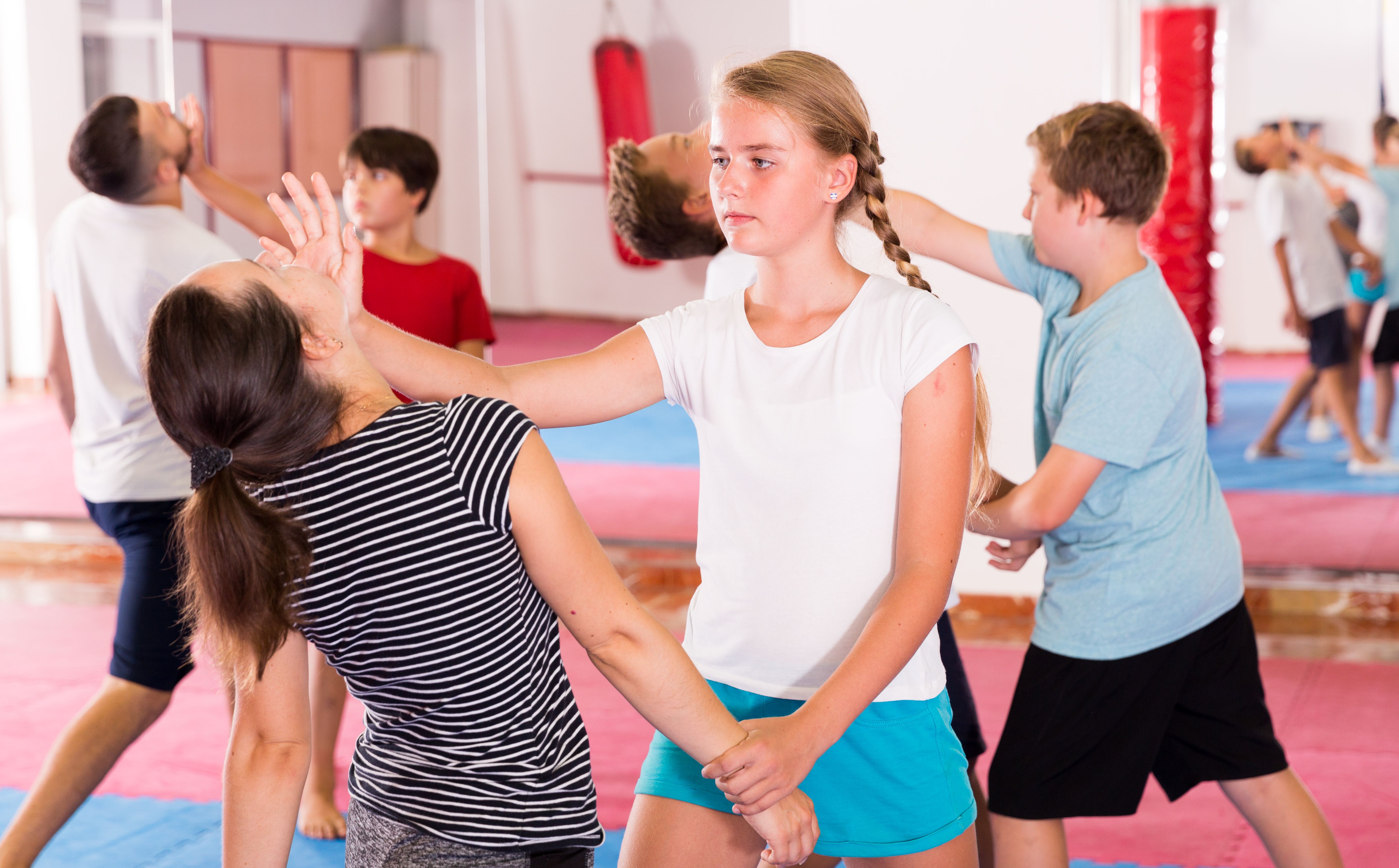
Teen self-defense programs typically include:
- Advanced Techniques: More complex maneuvers for dealing with aggressive situations.
- Situational Awareness: Training to recognize and avoid potential threats.
- Conflict Resolution: Strategies for de-escalating situations verbally before they turn physical.
Adults: Comprehensive Self-Defense Training
Adults benefit from comprehensive self-defense classes that cover a wide range of scenarios. These classes often include realistic drills and simulations to prepare participants for different types of threats. The focus is on practical skills that can be applied in real-life situations, enhancing overall personal security.
Adult self-defense training often emphasizes:
- Physical Conditioning: Building strength and endurance to improve defense capabilities.
- Defensive Techniques: Effective methods for neutralizing threats.
- Mental Preparedness: Developing the right mindset to stay calm and focused under pressure.

Tailoring Self-Defense for Seniors
For seniors, self-defense classes are adapted to accommodate physical limitations while enhancing safety and independence. The focus is on techniques that require minimal strength and flexibility, making them accessible to older adults. These classes also emphasize fall prevention and awareness.
Senior self-defense programs typically include:
- Balance and Mobility: Exercises to improve stability and prevent falls.
- Simple Defense Moves: Techniques that are easy to execute and remember.
- Personal Safety Awareness: Tips for staying safe at home and in the community.
Conclusion: The Importance of Age-Appropriate Training
Self-defense is a crucial skill that should be accessible to everyone, regardless of age. By tailoring classes to different age groups, individuals can receive training that is not only effective but also appropriate to their physical and cognitive abilities. Whether it's building confidence in children, preparing teens for potential threats, or ensuring the safety of seniors, age-appropriate self-defense training plays a vital role in empowering individuals and enhancing community safety.