
Building a Circle of Trust for Kids
MN
Understanding the Importance of Trust
Building a circle of trust for kids is vital for their emotional and social development. Trust forms the foundation of healthy relationships and helps children feel secure and valued. When kids trust the adults and peers around them, they are more likely to express themselves openly and build strong interpersonal connections.
Creating an environment where trust can flourish involves consistent actions and communication. Children need to see that their feelings and opinions are respected and valued. This helps them learn to trust themselves and others, fostering a sense of belonging and confidence.
Fostering Open Communication
Open communication is a key component of building trust. Encourage children to share their thoughts and feelings without fear of judgment. This can be achieved by actively listening and responding empathetically to what they say. Let them know their voice matters and that you are there to support them.
It's also important to model open communication yourself. Share appropriate thoughts and feelings with your children to show them that expressing emotions is a normal and healthy part of life. This helps normalize emotional expression and builds a mutual understanding of trust.
Creating Safe Spaces
Ensuring children have a safe space to express themselves is crucial. This means providing a physical and emotional environment where they feel comfortable and secure. Whether it's a cozy corner in their room or a family ritual of sharing at dinner, these spaces help children feel safe to be themselves.
Encouraging Responsibility and Accountability
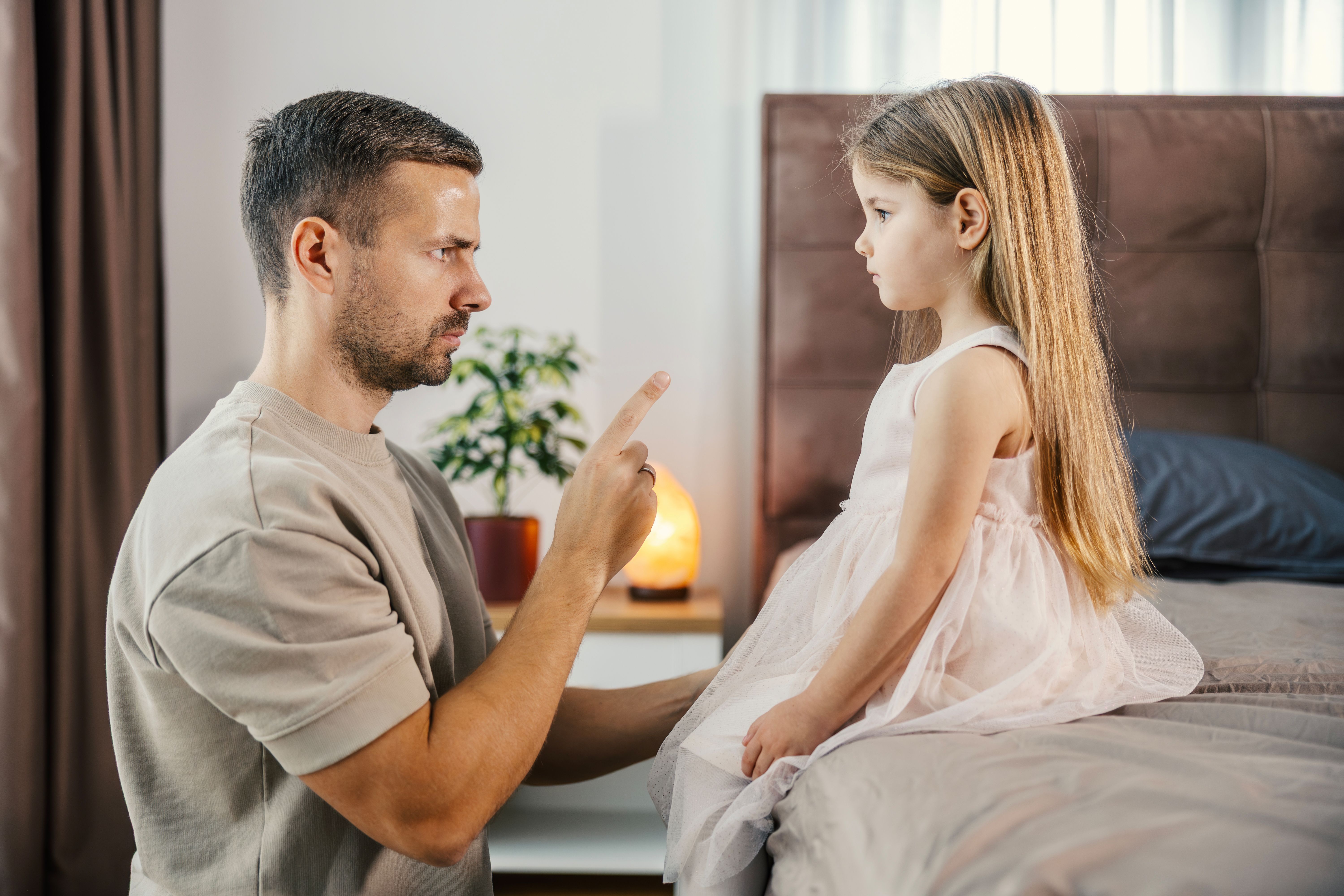
Part of building trust involves teaching kids about responsibility and accountability. Encourage them to take responsibility for their actions and understand the impact of their decisions. This not only builds trust but also instills a sense of integrity and self-discipline.
One way to encourage accountability is by setting clear expectations and consequences. Let them know that their actions have real-world effects and that being honest and responsible is always the best path forward.
Building Trust Through Consistency
Consistency is key when it comes to trust. Children need to know that they can rely on you to be consistent in your words and actions. This means following through on promises and maintaining routines that provide a sense of stability.
When children see that you are consistent, they learn that they can depend on you, which strengthens the bond of trust. Always strive to be a reliable source of support and comfort in their lives.
Encouraging Positive Peer Relationships
Help children build trust with their peers by encouraging positive interactions and friendships. Teach them the importance of empathy, kindness, and respect in all their relationships. This will help them develop a strong network of supportive and trustworthy friends.
You can also guide them in resolving conflicts by teaching conflict resolution skills. This enables them to navigate disagreements and maintain healthy relationships, further reinforcing their circle of trust.
- Teach active listening skills.
- Encourage inclusive play and activities.
- Model respectful and empathetic behavior.
By focusing on these aspects, you can ensure that children grow up with a strong sense of trust and security, ready to face the world with confidence and resilience.